



T&T's US$2.8B Export Gap: What SMEs Must Register First
T&T is sitting on an estimated US$2.8 billion in untapped non-energy export potential, much of it within CARICOM. Before an SME can ship a single pallet across the region, there's a checklist of registrations and filings that has to be in order.
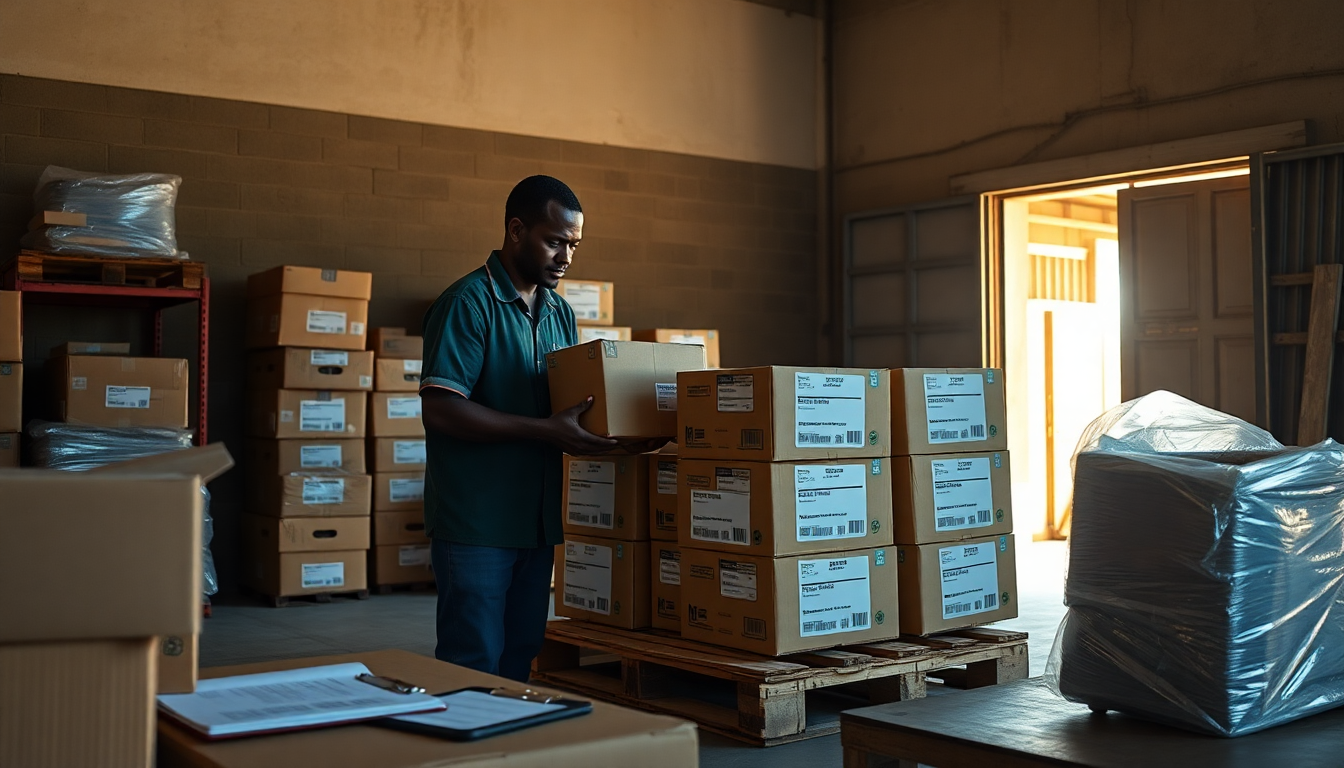
T&T has an estimated US$2.8 billion in untapped non-energy export potential, and a meaningful share of that sits right next door, inside the CARICOM Single Market and Economy. Food and beverage manufacturers, cosmetics and personal care brands, furniture makers and light manufacturers already have the products. What most are missing isn't demand or quality. It's the paperwork that lets a business cross a border without getting stuck at it.
Industry voices have been blunt about this gap. The TTMA has flagged structural barriers to growth, and commentators have pointed out that cheap forex alone will not create exporters. Access to US dollars helps you buy inputs; it does nothing for the compliance trail a shipment needs once it leaves port. That trail starts well before the first container is booked, with the basic business registrations a company should already have in place at home.
Start With the Business Itself, Not the Shipment
Before CARICOM trade documents matter, the exporting business has to be properly constituted. A sole trader registered under the Registration of Business Names Act can still export, but a limited company usually presents better to overseas buyers, banks and customs brokers who expect to see a certificate of incorporation, not a personal name. If growth plans include regular shipments, warehousing abroad, or bringing in partners, this is the point to weigh moving from a business name to a limited company.
Whichever structure is chosen, it needs to be current. A company behind on its annual returns at the Companies Registry, or one that hasn't filed its beneficial ownership declaration, will hit friction the moment a bank, freight forwarder or regional buyer runs a basic compliance check. Good standing isn't a formality for export purposes. It's often the first thing a counterpart's due diligence team looks for.
Registrations That Specifically Unlock CARICOM Trade
Once the business itself is in order, a handful of trade-specific registrations come into play:
- BIR registration and a current tax clearance certificate, which customs and many regional buyers will ask for before releasing payment or goods.
- VAT registration, required once turnover crosses the threshold, and relevant to how invoices are structured for cross-border sales.
- Certificate of Origin from exporTT (for CARICOM preferential treatment) or the T&T Chamber of Industry and Commerce (for non-preferential trade), which is what allows goods to move under CARICOM's duty-free treatment rather than being treated as third-country imports.
- Food Badge and health inspection clearance for anyone exporting food products, since importing CARICOM states will ask for proof the product meets basic food safety standards, not just a T&T-issued business licence.
- Product-specific standards compliance, where applicable, particularly for anything regulated under CARICOM's technical regulations for packaged goods.
Why Applications and Shipments Stall
The same issues that stall a bank loan application tend to stall an export shipment: inconsistent company names across documents, missing annual returns, no clear paper trail for who owns and controls the business. A bank asked to issue a letter of credit for a first export order will ask for exactly the same bundle a lender asks for when assessing loan readiness: incorporation documents, tax clearance, financial statements, and proof of good standing. SMEs that have never needed this bundle for local trade are often caught off guard by how much of it is required for a single regional shipment.
Government Tenders as a Dry Run
Businesses that have already bid for a government tender locally have effectively done a dress rehearsal for export documentation. Tender folders require clearance letters from BIR and NIS, a capability statement, and proof of good standing, the same categories regional buyers and customs authorities ask for. SMEs that have never bid on a tender, and therefore never assembled this folder, should treat building one as useful preparation even before an export order materialises.
The Practical Starting Point
None of this requires a large budget or a trade lawyer. It requires, in order: confirming the business structure is appropriate and properly registered, catching up on any outstanding annual returns and beneficial ownership filings, getting BIR and VAT status current, and obtaining a Certificate of Origin for the specific goods being shipped. Food exporters add the health and food badge layer on top.
The US$2.8 billion figure represents what's possible if more SMEs can clear this administrative bar, not a number that moves on its own. Access to the regional market under CARICOM rules already exists. What's missing for most small exporters isn't a trade agreement or a weaker dollar. It's a company file at the Registry, BIR and NIS that's actually in order.