



Digital payments are growing in T&T, but cash still matters: what it means for your business
Bank transfers and card payments took a bigger share of retail payments in 2025, but cash still dominates bill payments. Small businesses need to handle both, and keep good records whichever way customers pay.
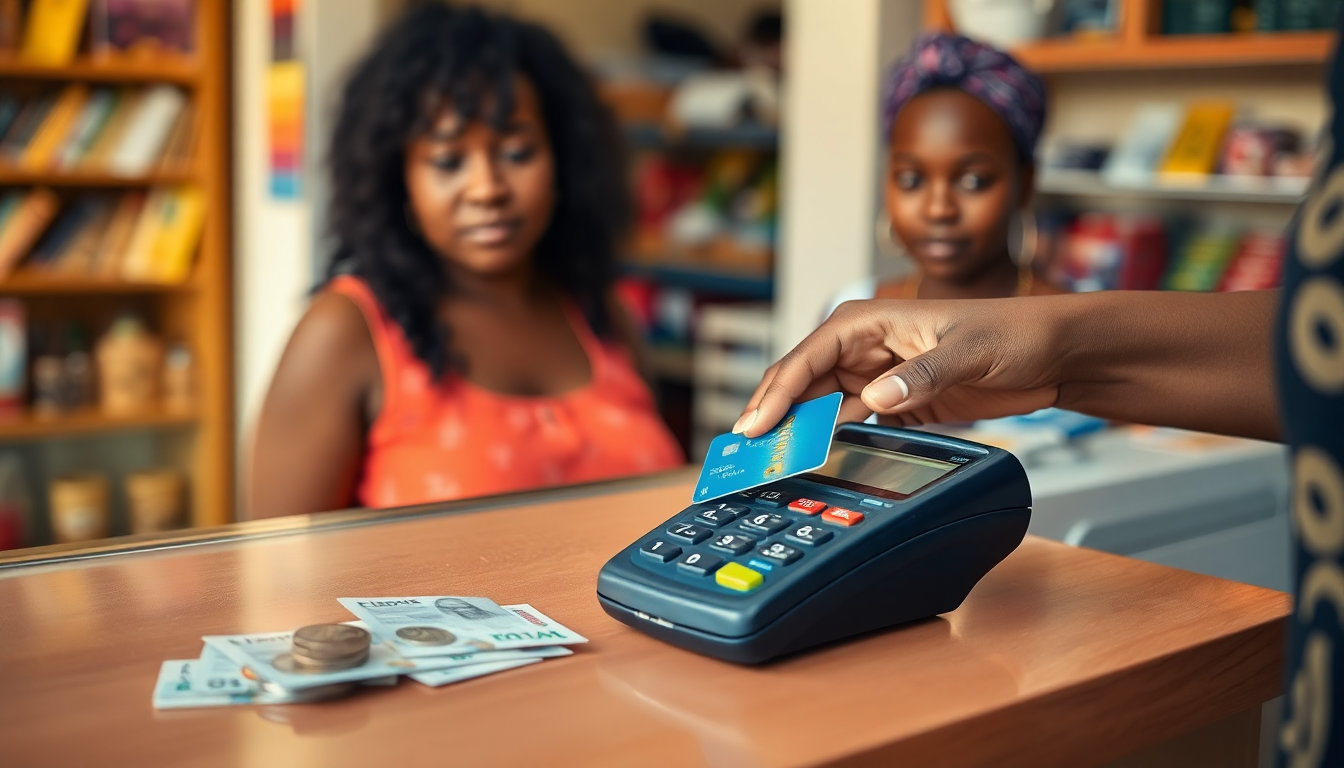
Customers in Trinidad and Tobago are paying more often by bank transfer and card, but cash has not gone away. That is the picture from Central Bank of Trinidad and Tobago (CBTT) payments data for 2025 (published in the CBTT Financial Stability Report 2025), as reported by the Trinidad Express in "Digital payments grow, but cash retains its place in T&T". For small business owners, the practical lesson is to be ready for both.
What the 2025 data shows
According to the Trinidad Express report, electronic payments made up a larger share of retail payments in 2025. That growth came while total retail payment activity fell, so digital methods took a bigger slice of a smaller total.
Cash remained the main way people paid for some everyday things, especially bills. At one large payment service provider the Central Bank examined, cash accounted for 94.6% of the number and 92.9% of the value of bill payments, as reported. Debit and credit card use for those bill payments also fell sharply during the year.
Cash in circulation was still about 4.3% of GDP. The article notes that growth in electronic payments "does not mean cash has lost its importance."
Where this is heading
The Central Bank has said it plans to move to a fully digital payments system by 2035, using fintech companies and instant payments (see the Trinidad Express report "Howai: Fully digital payments system by 2035"). Some of the groundwork is already in place:
- The Central Bank issued two more e-money issuer licences in its 2025 financial year.
- It was supervising 11 payment service providers by September 2025, according to The Fintech Times in "Trinidad and Tobago: Preparing for Payments Revolution".
- Its near-term plans include finishing Payments Systems and Services legislation and expanding digital payments through registered e-money issuers.
Uptake is still modest. Only 24% of people in the latest National Financial Inclusion Survey had a mobile app linked to a financial account. A Central Bank working paper from April 2025 (CBTT Working Paper WP02/2025) also notes that payments in T&T are still settled mainly in cash and bank money.
What this means for small businesses
Accept more than one way to pay
If you only take cash, you may miss customers who now prefer to transfer or tap a card. If you only take digital payments, you will lose people who still pay in cash, and the bill payment figures suggest that group is large. A mix works best for most shops, food businesses and service providers.
Practical options include a card terminal from your bank, accepting direct bank transfers, and looking at licensed e-money providers as more come on stream. If you sell through WhatsApp Business or Instagram, make your payment options clear in your profile and in every quote.
Plan cash flow carefully
The fall in total retail payment activity is worth keeping in mind. Build your sales forecasts and monthly budget on realistic numbers, and track how customers are paying so you can see shifts early. A simple monthly split of cash versus digital takings tells you a lot.
Keep records, whatever the method
Digital payments leave a trail automatically. Cash does not, unless you create one. Either way, good records matter when you:
- Open or maintain a business bank account. Banks want to understand where your money comes from, and unexplained cash deposits can slow things down.
- Apply for a loan. Lenders look for consistent, documented income that matches your business plan and cash flow projections.
- Register for or file VAT. You need accurate sales figures to know whether you have crossed the threshold and to file correctly once registered.
- Bid for larger contracts. Clean financial records support the documents buyers and government agencies ask for.
Issue receipts for cash sales, deposit cash regularly rather than holding large amounts, and keep your bank statements and payment platform reports together each month.
Move gradually
There is no need to drop cash. The data shows many customers still rely on it. But moving some of your sales to digital channels over time makes your income easier to prove and your books easier to keep, which helps when you want to borrow, grow or formalise your business structure.
The takeaway
Digital payments are gaining ground in T&T, with more licensed providers and a 2035 target for a fully digital system. Cash is still a big part of how people pay today. Set up your business to accept both, watch your sales trends, and keep clear records of every transaction. That approach serves your customers now and puts you in a stronger position with banks, BIR and potential clients.